

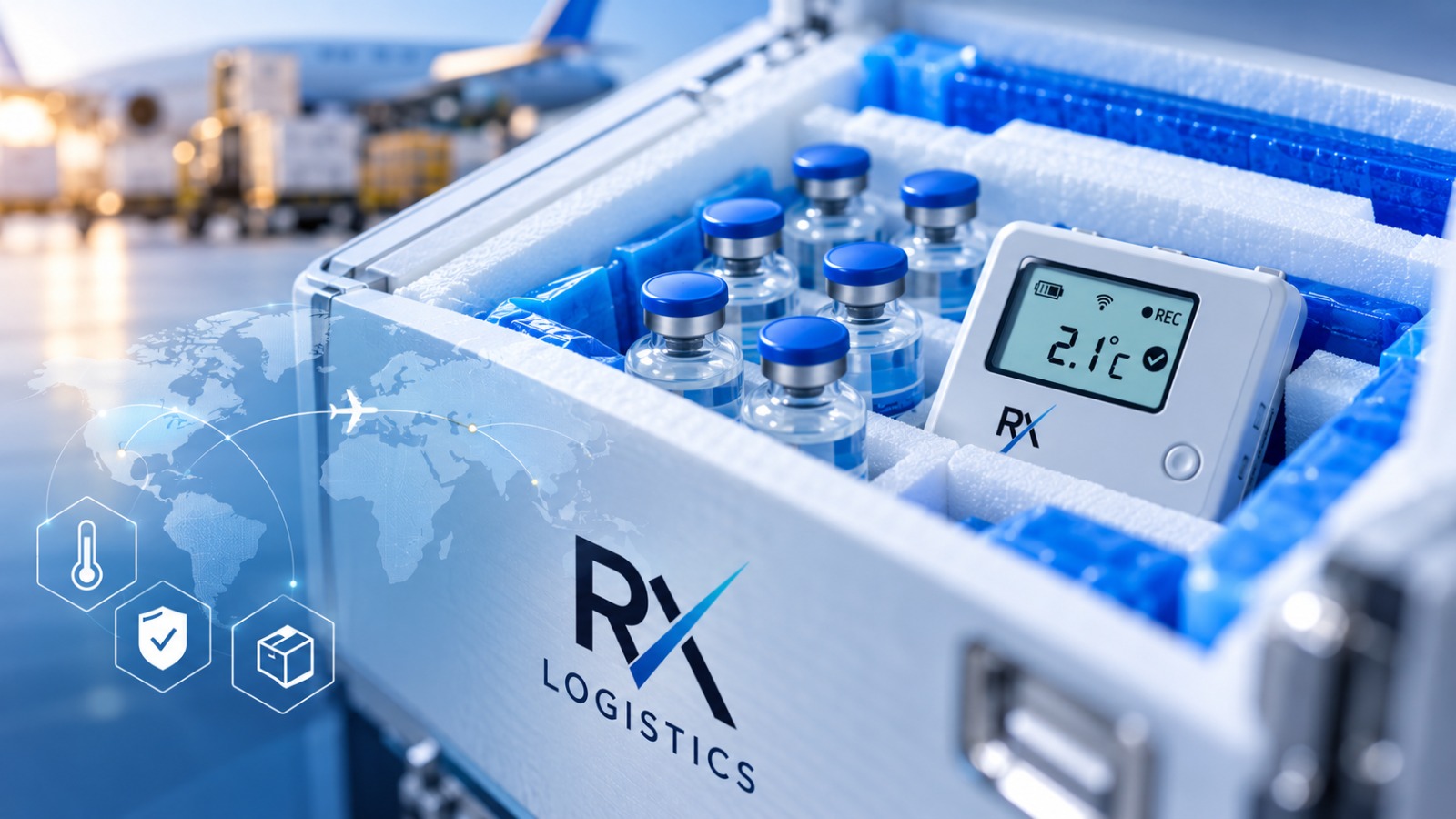
Executive Overview
Temperature integrity is one of the most critical considerations in pharmaceutical and biopharmaceutical logistics. As pharmaceutical supply chains become increasingly global, the transportation of temperature-sensitive medicines, vaccines, biologics, and advanced therapies presents significant operational challenges.
Exposure to temperatures outside specified limits can affect product quality, stability, and suitability for use. Maintaining appropriate transportation conditions therefore requires more than refrigerated vehicles or insulated packaging. It demands a coordinated approach involving transportation planning, suitable packaging, temperature monitoring, handling procedures, and shipment visibility.
1. Understanding Temperature Integrity
Temperature integrity refers to maintaining a pharmaceutical product within its specified temperature conditions throughout the relevant stages of transportation and distribution. Different pharmaceutical products have different stability characteristics and transportation requirements.
| Temperature Category | Typical Range | Typical Cargo Profile |
|---|---|---|
| Controlled Ambient | +15°C to +25°C | Tablets, capsules, syrups, medical diagnostics |
| Refrigerated | +2°C to +8°C | Vaccines, biological therapies, insulins, antibodies |
| Frozen | Around −20°C | Blood plasma, active pharmaceutical ingredients (APIs) |
| Ultra-Low Temperature | −70°C to −80°C | mRNA therapies, viral vectors, cellular components |
| Cryogenic | < −150°C (Liquid Nitrogen Vapor) | Cell & gene therapies, stem cell lines, tissue banks |
* Note: These ranges are illustrative. Actual transportation conditions must be determined by product specifications, approved labeling, and applicable stability information.
2. Why Temperature Excursions Matter
A temperature excursion occurs when a product is exposed to conditions outside its specified temperature limits. The consequences depend on the product’s stability characteristics, the extent of the deviation, and the duration of exposure.
Product Stability Concerns
Certain formulations and biological products are sensitive to heat, freezing, or fluctuations. Inappropriate exposure may alter physical, chemical, or biological potency.
Quality Assessment Requirements
Excursions trigger mandatory documented assessments. Authorized quality personnel must evaluate thermal data records before releasing affected lots.
Supply Chain Disruption
Deviations lead to quarantine holds, root-cause investigations, replacement dispatches, and clinical trial delays that impact patients.
Financial & Operational Impact
Product write-offs, investigations, and expedited replacements create substantial costs, especially for high-value biological therapies.
3. Hidden Risks in Global Pharmaceutical Transportation
Pharmaceutical shipments frequently move through multiple transportation environments. Each transfer point introduces operational challenges:
- ✓ Airport Ground Handling: Extended tarmac exposure to direct sunlight or freezing winds during aircraft loading and unloading.
- ✓ Customs and Clearance Delays: Unexpected documentation or regulatory inspection delays that exceed passive thermal packaging validation durations.
- ✓ Multimodal Transfers: Road-to-air or air-to-sea transitions where handling procedures vary between distinct logistics operators.
- ✓ Seasonal Temperature Variations: Cross-hemisphere shipping where cargo departs in winter ambient conditions and lands in tropical summer heat.
4. The Role of Specialized Temperature-Controlled Packaging
Packaging is a fundamental component of pharmaceutical cold chain transportation. Its purpose is to help protect products from external environmental conditions during transit. Two widely used approaches are active and passive systems.
Powered Regulation
Active systems utilize mechanical refrigeration, electrical heating, internal fans, and integrated thermostat sensors powered by batteries or external power.
- • Continuous thermostatic control
- • Well-suited for bulk commercial pallets
- • Dependent on power recharging infrastructure
Phase Change & Vacuum Insulation
Passive shippers rely on pre-conditioned Phase Change Materials (PCMs), gel packs, dry ice, and advanced Vacuum Insulated Panels (VIPs).
- • Zero external electrical power requirement
- • Highly flexible pack-out configurations
- • Finite qualified duration (e.g. 72h to 120h)
5. Temperature Monitoring and Shipment Visibility
While packaging provides thermal defense, monitoring technology provides the operational intelligence necessary to verify that conditions remained within specified parameters.
Modern monitoring integrates electronic data loggers (single-use or reusable USB loggers) and connected cellular/GPS IoT trackers. Real-time devices can transmit temperature curves, location milestones, light exposure (indicating carton opening), and shock data. However, monitoring technology does not independently guarantee product quality—it must be backed by qualified standard operating procedures (SOPs) and responsive escalation workflows.
6. The Importance of Good Distribution Practice Principles
Good Distribution Practice (GDP) principles provide an essential regulatory and quality framework for maintaining medicinal product integrity across global distribution channels. Key GDP tenets for cold chain include:
7. Building a Risk-Based Cold Chain Strategy
An effective pharmaceutical cold chain strategy begins well before dispatch through a structured 7-step risk-mitigation workflow:
8. The Future of Pharmaceutical Temperature Management
Pharmaceutical cold chain logistics continues to advance with predictive risk modeling, AI-assisted flight tracking, recyclable PCM insulation materials, and unified cloud control towers that synthesize IoT sensor telematics into actionable quality workflows.
9. RX Logistics: Precision in Temperature-Controlled Transportation
At RX Logistics, our specialized operations support pharmaceutical and biological logistics through temperature-validated transport coordination, qualified packaging configurations, end-to-end data logging, and strict alignment with GDP principles.
Conclusion: Precision in Motion
Temperature integrity is a fundamental pillar of pharmaceutical safety. Effective cold chain logistics is not simply about cooling cargo—it is about managing the environmental conditions, transit risks, and documented processes that safeguard medicine for the patients who rely on it.